Brunch, Cars and Chrome

County Classic Motor Museum in Taunton, Somerset
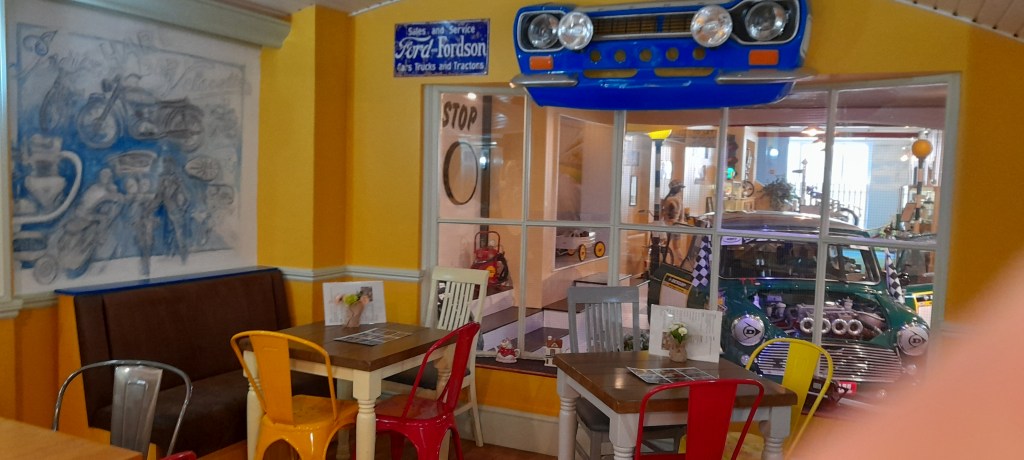
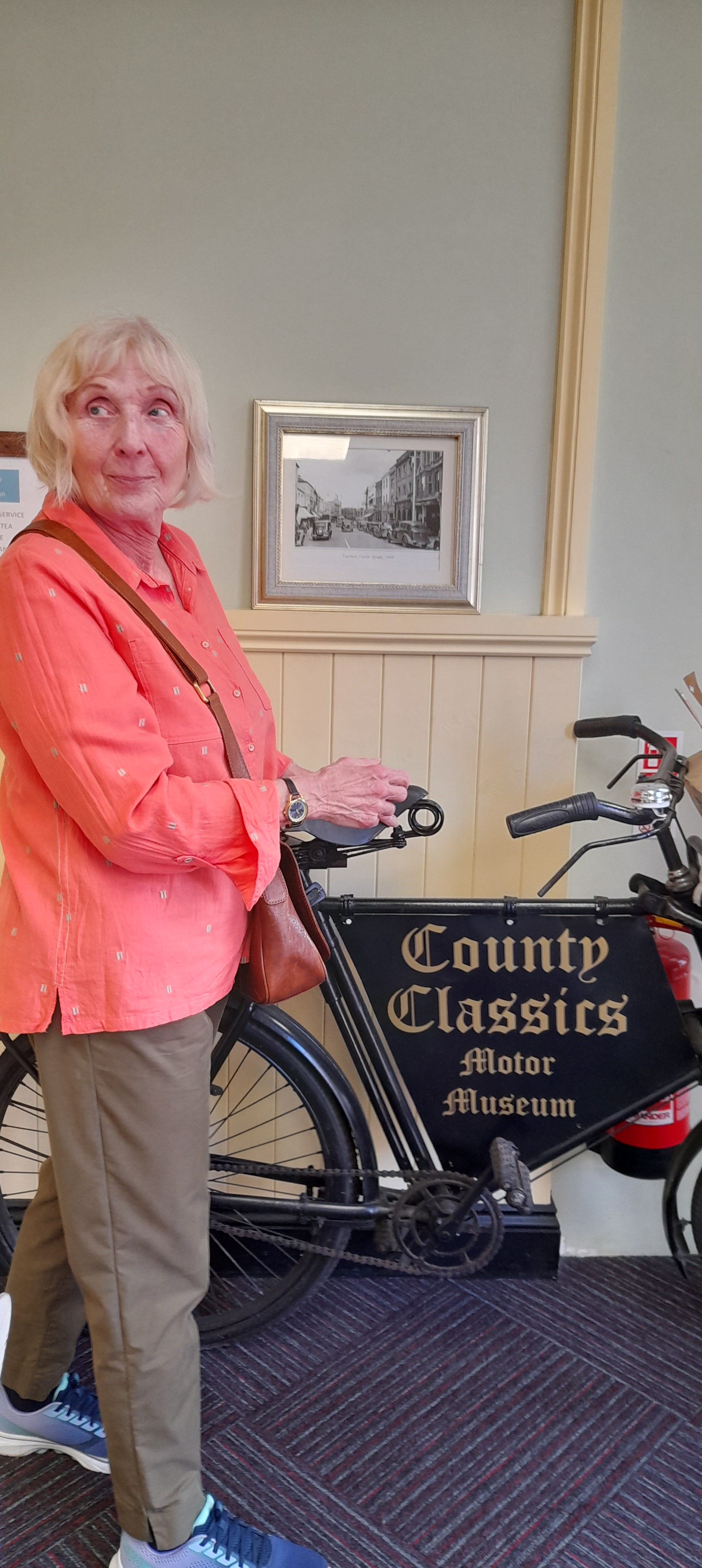
For my first (to be written up brunch) my friend Karen and I took a visit to the café at County Classic Motor Museum in Taunton, Somerset.  The much loved museum and great ambition of Patrick Hawkins – who at the age of 11 years, bought and repaired his first vehicle, and didn’t stop there.  A welcoming museum, even for non-car enthusiasts  but it was the café that drew me in.

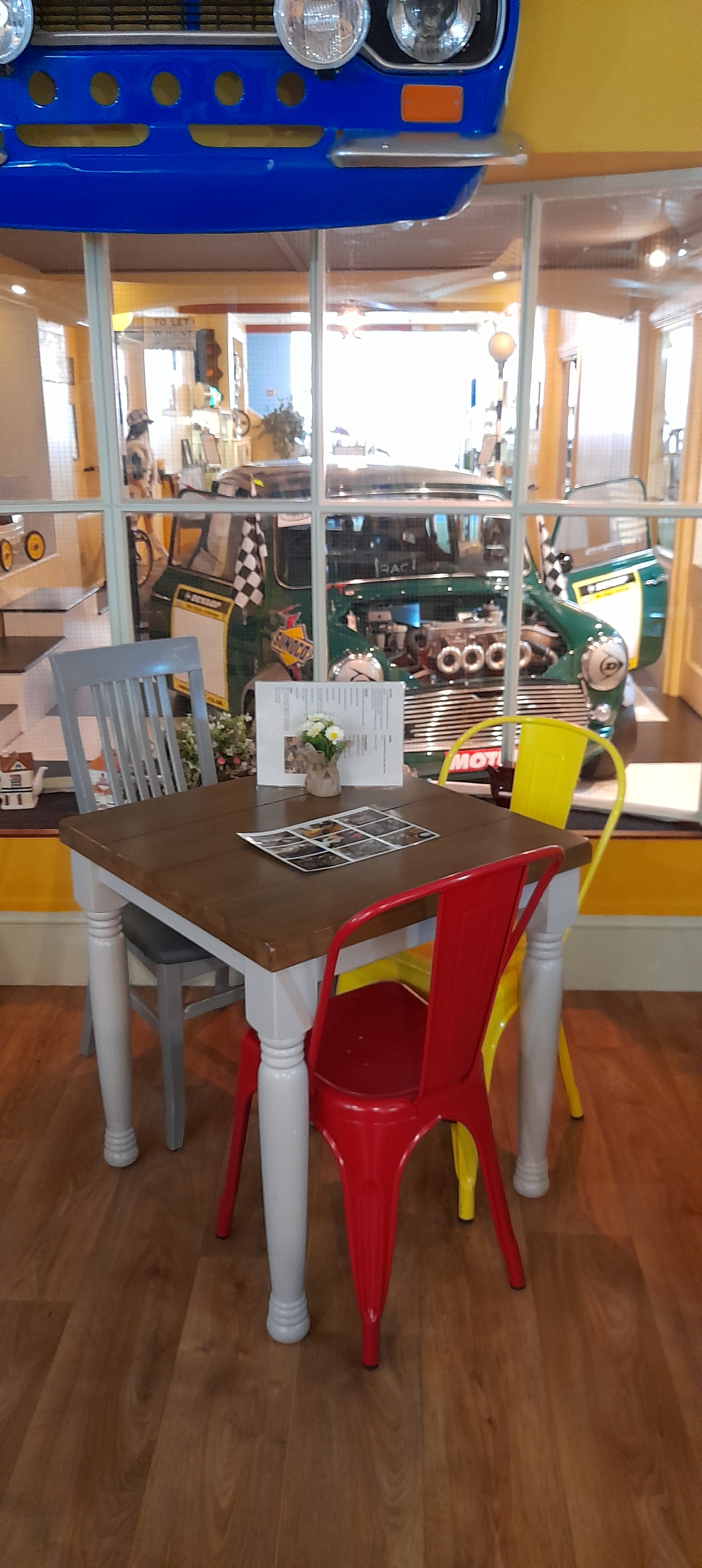
The photos should speak for themselves – a lovely colourful, chrome burnished environment  with cars mostly ranging from late 1950s to the 1980s  and motorbikes from 1915 to the 1980s.  Opened in November 1923 by Richard Hammond, the opening attracted a crowd of people many bringing their own well-polished vintage cars, motor bikes and even uniforms. I remember a panda car with a ‘Z Cars’ vibe. 

We headed straight for the onsite café.  I won’t describe the menu, instead  I took a photo. Although Karen and I are both vegetarians – neither of us are Evangelical. To be honest  – I wish I wasn’t – vegetarian that is.  I’ve been vegetarian for at least 30 years – I can’t remember why I started, because it wasn’t the era of the smug middle classes nor was it a time for Vegan food that looked like meat but tasted of…. I’m not sure but not food that’s ever seen a field.  I remember that I ate a lot of jacket potatoes and beans. 

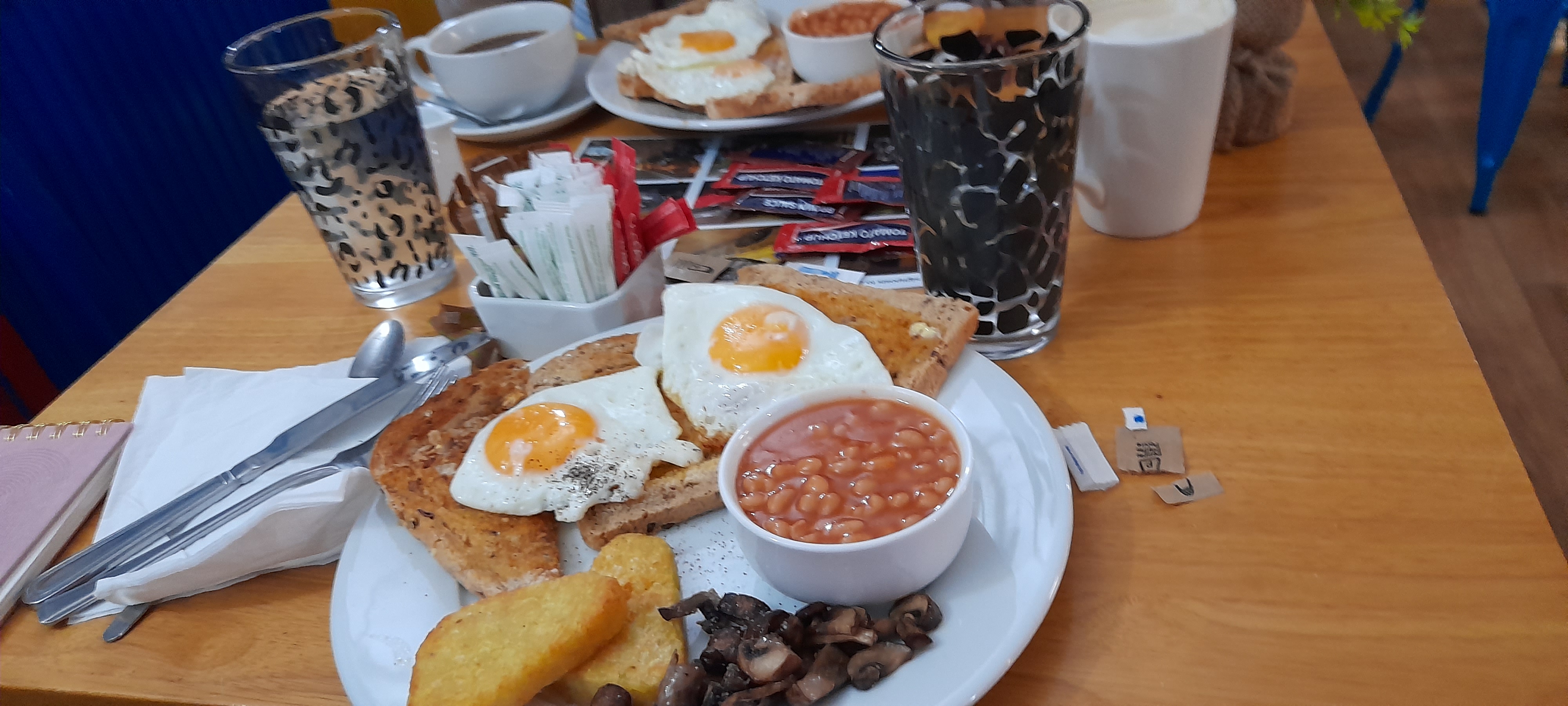
Having said that  we ordered a vegetarian breakfast, which wasn’t on the menu but the creative and kindly staff pulled together, well cooked eggs, perfect toast (not sourdough, which rips your mouth to shreds) baked beans, a potato fritter thing and mushrooms. That really tasted like food.
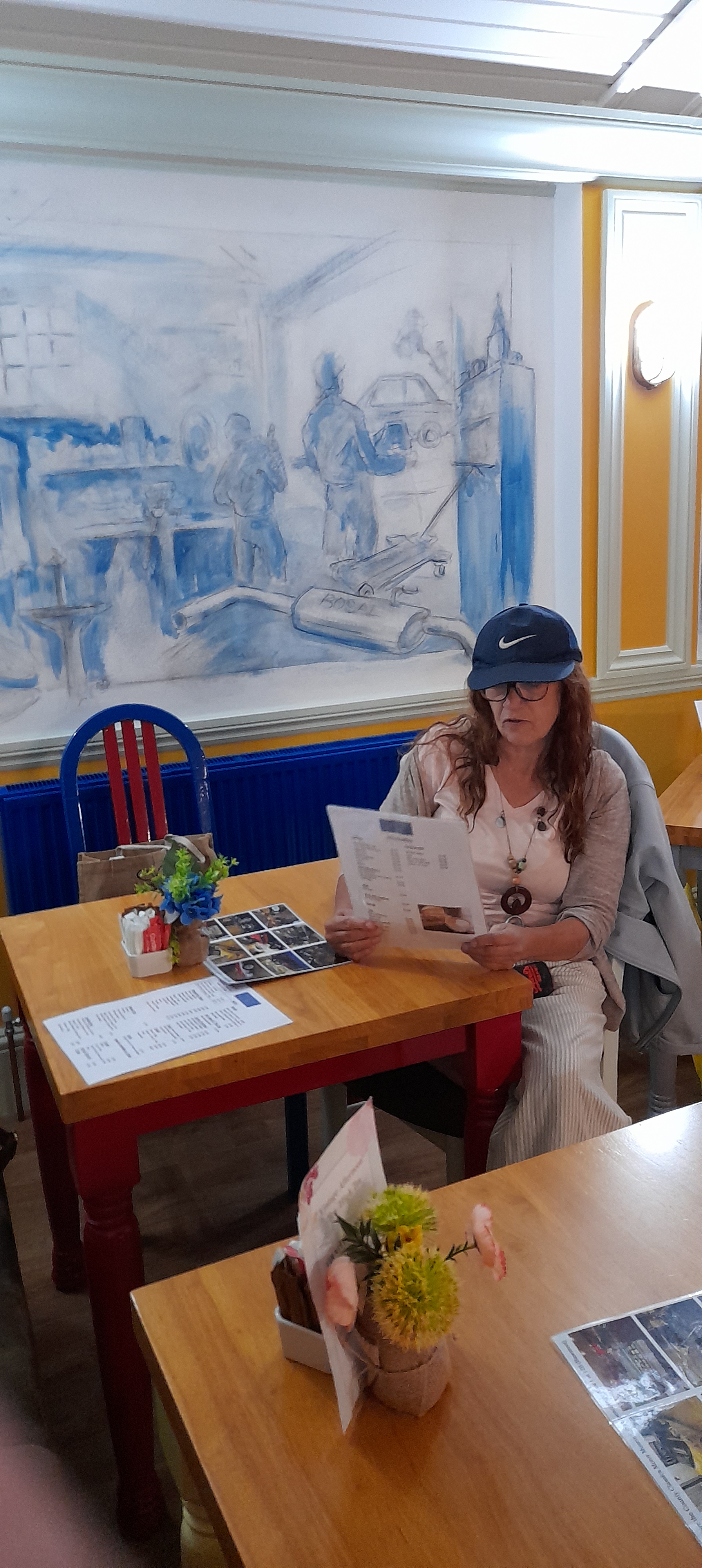
I’m not a food critic and I don’t aim to either promote or criticise the food of the places I visit.  I’m not really choosing places for what they serve but where it’s served. To experience a welcoming and interesting ambiance, décor, history and hopefully just be left alone to either read or gossip whether it’s a coffee or a full blown brunch.
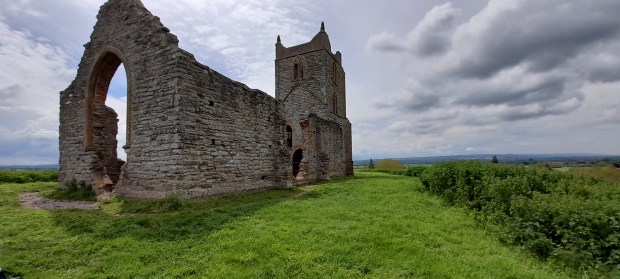
Burrow Mump Somerset

Not as touristy as the Tor – so you sometimes get it all to yourself.

History-

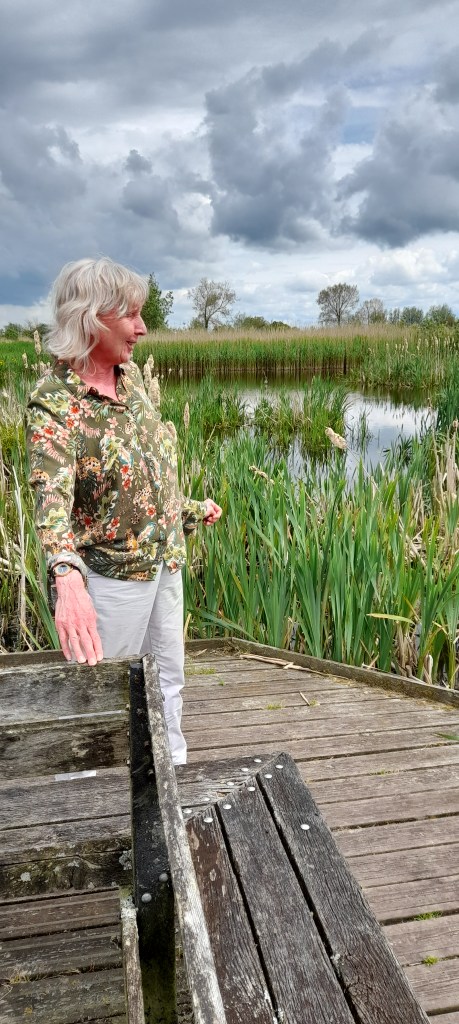
Burrow Mump is a monument of both strategic and archaeological importance. When you reach the top you understand why . It overlooks the Somerset Levels and Southlake Moor in the village of Burrowbridge in Somerset. Dug out by the Normans as a defence the view is 360 degrees and stunning. It stands at the junction of two rivers that cross the Somerset Levels. The Mump itself is now designated as a War Memorial and was donated to the National Trust in 1946 to commemorate the Somerset men and women lost in World War I and World War II. 

The church – started in late 1700s was never finished – run out of money -but is thankfully a Grade II listed building. I’m not an architect so I won’t go in to its construction but I’m told the church was situated, sensibly to look down on a settlement but no evidence of that now. Before that it was the site of a medieval church. It doesn’t feel like a unfinished ruin – I think it would’ve been beautiful. Once surrounded by marsh land the mump would’ve floated hauntingly and gothically out of the waters of the Levels.

I’ve climbed to the top a few times and have slid down (not on purpose) twice. Nonetheless – I still enjoy the climb and descent!

A Family Home with its own Chapel.

Lytes Cary Manor

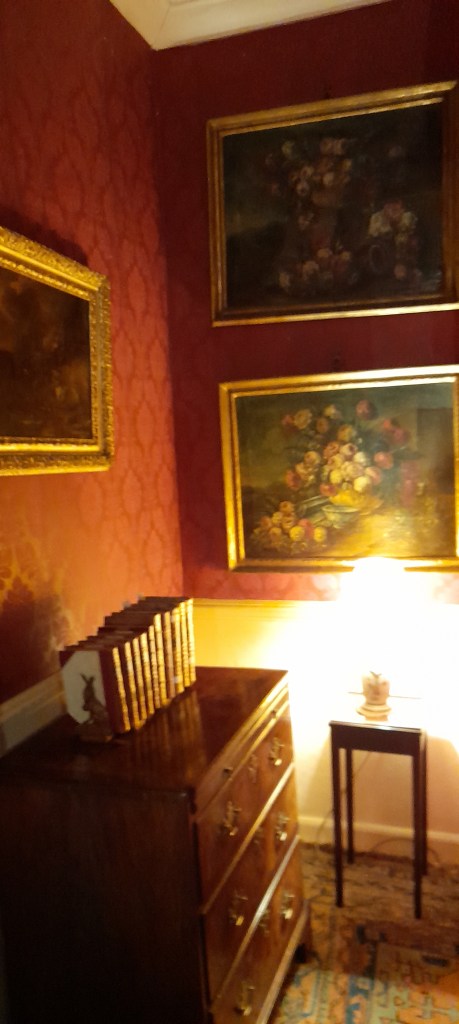
I don’t know much about architecture but I like to look at old buildings and I love the way that 21st Century visitors blend in and bring them to life.

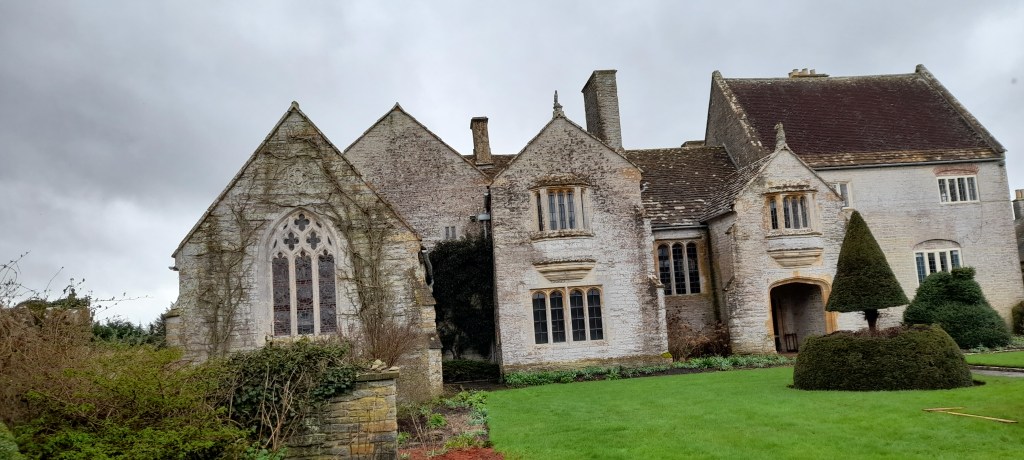
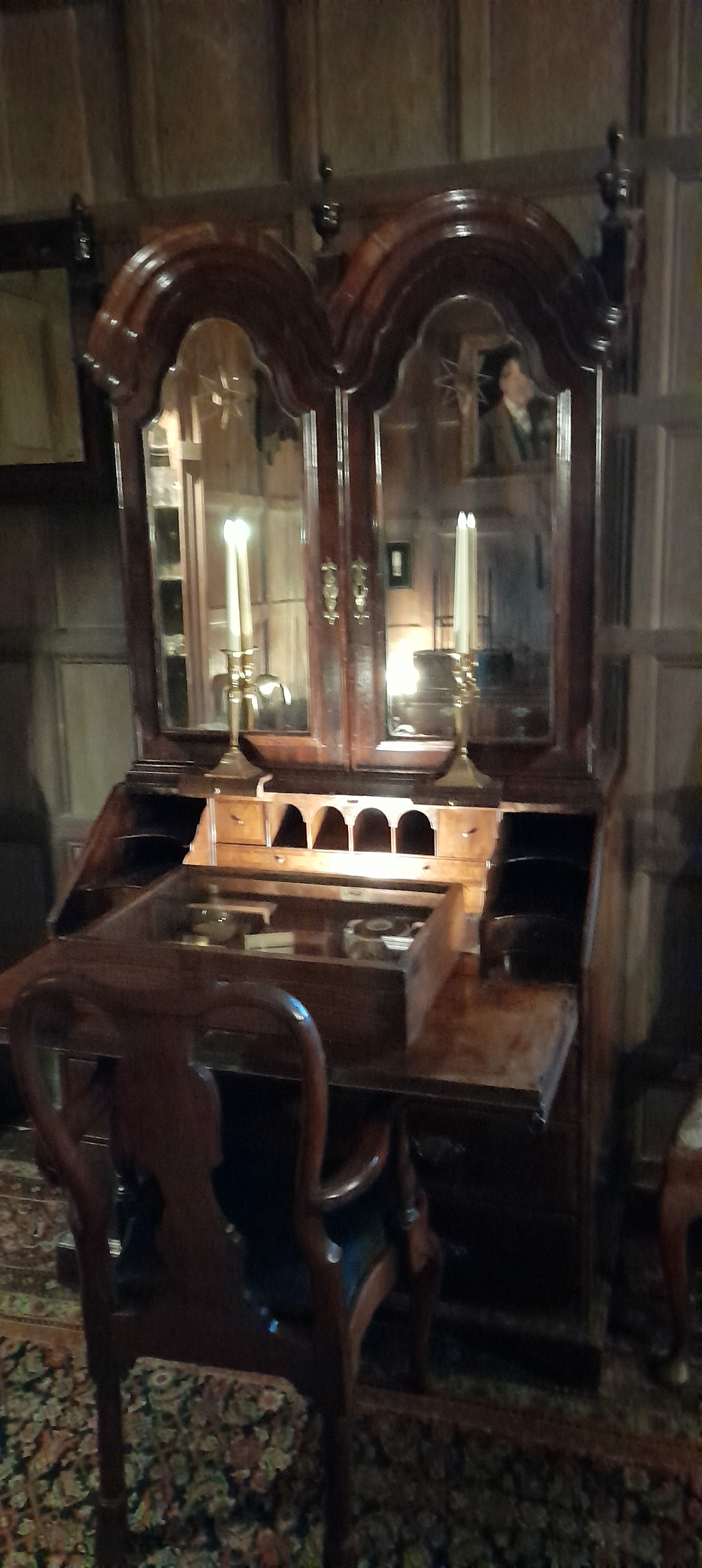
For me it’s all about big stone houses, dusty smells and helpful volunteers. I don’t try to give lots of facts, I prefer the photos to do the talking. Lytes Cary Manor has all that. It didn’t really feel like a manor more like a family home – a family made good not born noble.

The first of the family to live there was William le Lyte, a feudal tenant, as early as 1286. The chapel dates back to 1343.

I found the house very atmospheric with a lived in feel. And volunteers sitting in the rooms appeared to be really at ease and comfortable.

Sir Walter and Lady Flora Jenner took over the house in the early 20th Century, restoring the rooms as they were/or should’ve been in the 17th Century. I got a bit of a Bloomsbury Set vibe in the house and Gertrude Jekyll feel from the garden. But I’m no gardener.

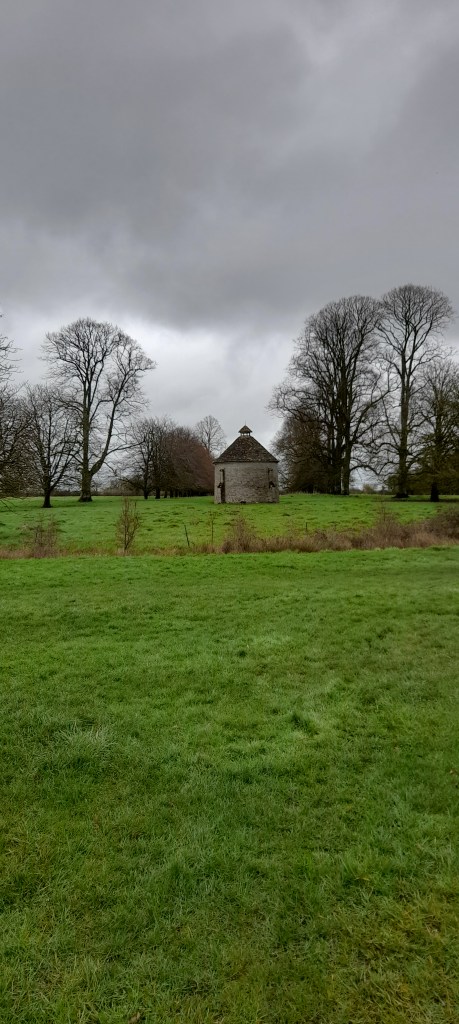
 We didn’t reach this wonderful Dovecote as it was really sploshy and muddy but it’s definitely worth a photo. Built in the 1930s but inspired by the 18th-century dovecote at Avebury Manor in Wiltshire.